

Energy efficient portable AC inverter technology is quickly becoming the new standard for cooling rooms without sky-high energy bills. If you want to stay comfortable this summer and keep your electricity costs low, understanding how inverter portable ACs actually work—and whether they’re worth the price premium—is essential.
Key Takeaways
- Inverter portable ACs use advanced variable-speed compressors for consistent cooling and can deliver up to 23% energy savings on average.
- The higher upfront cost is typically recouped in about nine years through lower annual electricity bills.
- Proper sizing and installation are critical; undersized inverter units won’t perform efficiently and can negate expected savings.
- Understanding Energy Efficient Portable AC Inverters
- How to Choose and Optimize Your Portable Inverter AC
- Advanced Analysis & Common Pitfalls
- Conclusion
- FAQs
Understanding Energy Efficient Portable AC Inverters
An energy efficient portable AC inverter is a plug-in air conditioner that uses variable speed compressor technology instead of traditional on-off compressors. Instead of blasting cold air at maximum power and then shutting off, inverter models adjust their compressor speed to match your room’s cooling needs in real time. This allows for significant electricity savings, quieter operation, and more stable temperatures compared to conventional models.
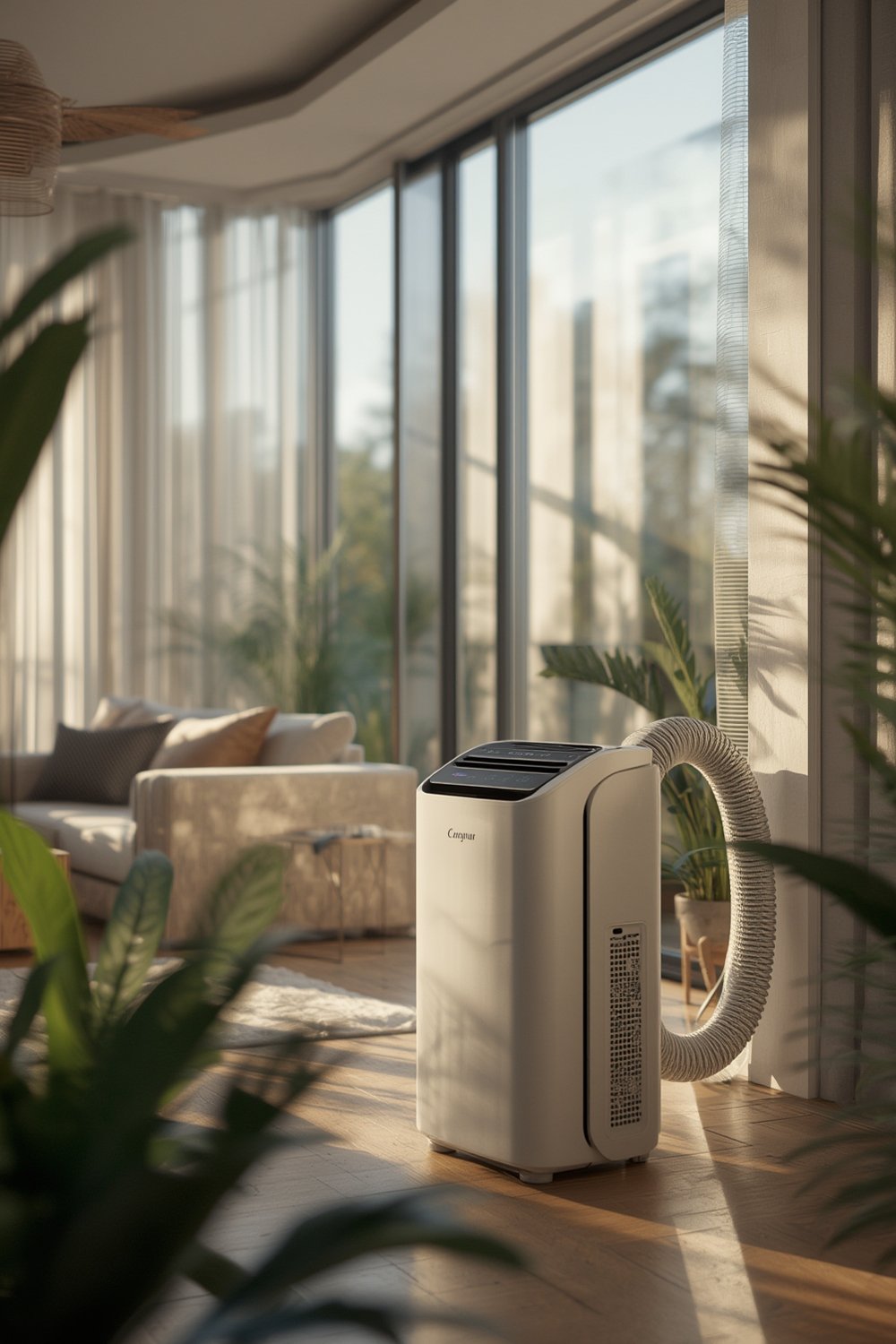
According to ENERGY STAR standards, certified room air conditioners—including inverters—use up to 23% less energy than standard portable units. This is not just marketing hype; the Department of Energy analysis confirms that switching to an inverter unit could save around $17 per year on your energy bills. Over the average nine-year lifespan, that’s about $153 retained in your pocket, roughly recouping the typical price premium.
Energy efficient inverter models are also designed with additional features that can boost indoor air quality. For example, many now support smart-grid technology and humidity control, which can help combat airborne allergens and support overall comfort. If you struggle with humidity in your home, consider integrating your AC solution with smart humidity control strategies—learn more in our guide on controlling humidity.
How to Choose and Optimize Your Portable Inverter AC
Ready to pick out the right energy efficient portable AC inverter? Follow these actionable steps to maximize savings and performance:
- Measure Your Room: Use a tape measure to calculate the square footage of the space you plan to cool (length x width).
Example: 12 ft x 15 ft = 180 sq ft. - Select the Correct BTU Rating: Check ENERGY STAR’s
official sizing chart. For most bedrooms and office spaces (150–350 sq ft), look for a portable inverter AC rated between 8,000–12,000 BTUs. - Compare Energy Usage and Price: Most efficient inverter portables fall between $350–$550, with ENERGY STAR units starting near $310.99, per Best Buy current listings. Don’t be surprised by a 20-30% price premium compared to basic models—you’ll save more in the long run.
- Verify Features: Look for variable speed compressors, quiet operation (below 55 dB if published), smart connectivity, and dehumidification function. Smart enabled inverter portables may work with utility bill optimizations in certain areas.
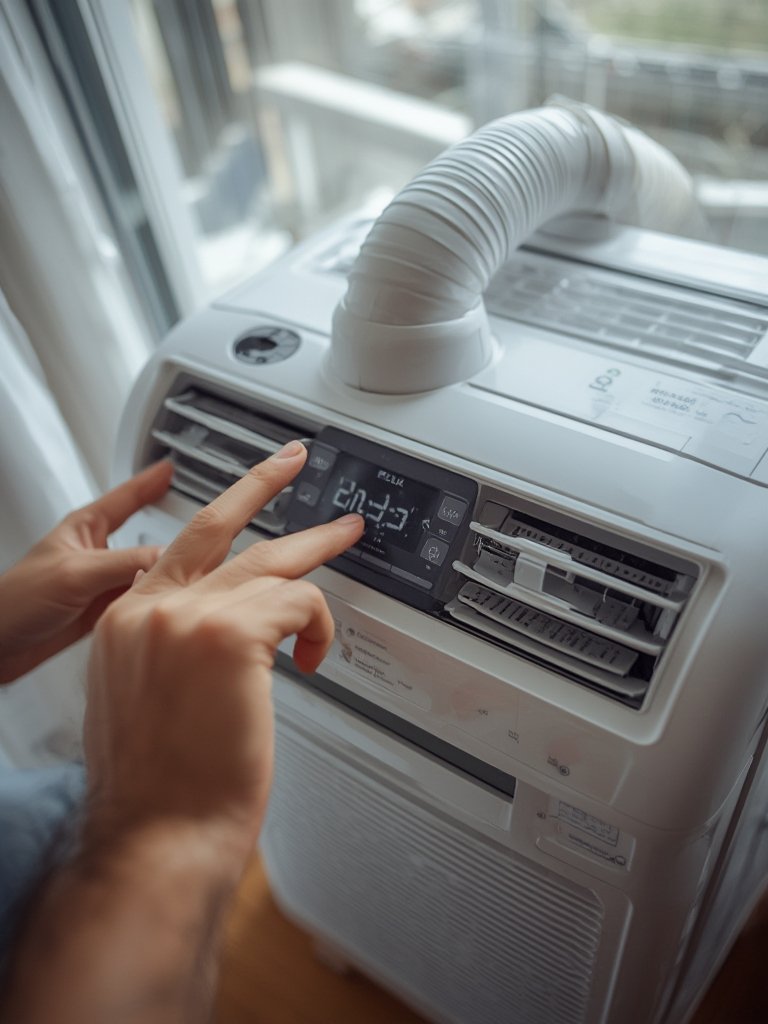
- Install Properly: Ensure the exhaust hose is securely fitted and as short/straight as possible. Minimize cracks around windows to prevent cooled air leaking out.
- Monitor and Adjust: Use a smart home app or physical energy monitor to fine-tune your settings, track energy use across the season, and adjust run times during peak hours.
- Maintain Regularly: Clean filters every two weeks during high-use months. Check for condensate drain issues and keep intake vents dust-free. For more advanced air quality, combine your inverter AC with a HEPA air purifier or filter.
If your home is especially noise-sensitive, don’t miss our detailed guide to the quietest portable ACs and what decibel ratings are best for bedrooms or work areas.
Finally, be aware of new refrigerant regulations—if you want a future-proof and environmentally friendly option, learn what refrigerants will become the norm after January 2025 in our R32 refrigerant AC efficiency guide.
Advanced Analysis & Common Pitfalls
While energy efficient portable AC inverters deliver impressive savings and modern convenience, several challenges and issues can catch buyers off guard:
- Higher Upfront Costs: Inverter models regularly cost $150 or more above conventional portables of similar size. A 12,000-Btu GE Profile AHTR12AC inverter is $600 vs. $449 for a non-inverter version. You’ll typically break even in around nine years, depending on your energy rate and usage.
- Sizing Is Critical: If you select a unit that’s too small, the compressor will run at full power constantly, negating inverter efficiency and wearing out the system sooner. Oversized units short cycle and can over-humidify a space. Use precision room measurement and the right BTU guidelines for best results.
- Limited Transparency: Few brands publish detailed kWh consumption or decibel test data for new 2024–2025 models. There’s also a lack of third-party lab test results to independently verify performance claims.
- Setup & Portability Drawbacks: Portable units need proper venting, and long/looped hoses reduce efficiency. Noise reduction promises vary—if low sound is crucial, seek out models marketed specifically as “ultra quiet.”
- Insufficient Real-World Feedback: Recent research shows a gap in verified owner complaints and long-term reliability ratings. Prioritize retailers with return-friendly policies and robust support.
| Feature | Standard Portable AC | Inverter Portable AC |
|---|---|---|
| Compressor Type | Single speed (on/off) | Variable speed (inverter) |
| Energy Usage (avg) | 100% | ~77% (23% savings) |
| Noise | Noisy cycling | Consistently quieter |
| Typical Price (12,000 BTU) | $449 | $600 |
| Temperature Control | Fluctuates | Stable, continuous |
| Average Payback Time | – | ~9 years |
To address ongoing air quality and efficiency, consider pairing your inverter AC with the latest in smart air quality monitors, or explore smart HEPA air purifiers for a holistic approach.

Key competitive gaps: Most competitor articles fail to deliver real side-by-side model comparisons, offer little practical sizing advice, and do not cover authentic user complaints or hands-on feedback. Be wary of generic “top 10” lists that do not dig into these data-driven details.
Conclusion
Energy efficient portable AC inverter units can substantially lower your cooling bills, deliver superior comfort, and operate more quietly than traditional models. While you’ll pay more upfront, careful sizing and modern smart features mean most users will recoup the extra investment over time. If you want to future-proof your cooling, prioritize ENERGY STAR models featuring inverter compressors and check for new refrigerant compliance as 2025 approaches. Remember, not all solutions are created equal—do your homework, use this guide, and enjoy a more comfortable and energy-savvy home this year.
Ready to experience the benefits of an energy efficient portable AC inverter? Compare ENERGY STAR inverter models today and start saving on your summer energy costs.
FAQs
How much energy will I save with a portable AC inverter model?
Switching to an inverter portable AC typically saves 20–23% on energy compared to conventional models. On average, that’s about $17 per year, with actual savings depending on your usage and local electricity rates.
Is it worth paying extra for an inverter portable AC?
While inverter models cost $100–$200 more up front, they can pay for themselves over about nine years through lower electricity bills and enhanced performance. If you plan to use your AC regularly, the investment usually makes sense.
What’s the best way to size a portable inverter AC?
Measure your room in square feet and match the BTU rating carefully—choose 8,000–12,000 BTUs for rooms up to 350 sq ft. When in doubt, consult the ENERGY STAR sizing chart or a local expert for personalized recommendations.
Are inverter ACs quieter than normal portable ACs?
Yes. Inverter technology allows for steady, low-speed compressor operation, which produces less noise than traditional models that frequently cycle on and off. For bedrooms or offices, look for models marketed as “quiet” or “ultra quiet.”
Do inverter portable ACs improve indoor air quality?
They help indirectly by controlling temperature and humidity more precisely. For best results, pair your AC with a HEPA air purifier and use strategies from our guides on managing humidity and air quality.