

portable air conditioner quiet models are changing what comfort means at home, but sorting real silence from marketing promises can be tricky. If you want cooler air without disruptive noise—or want to avoid the mistakes most people make—here’s what truly matters, backed by the latest research and proven strategies.
Key Takeaways
- Most “quiet” portable air conditioners operate at 40–52 dB—about the volume of a library—while standard models average 56 dB or more.
- No portable ACs have certified independent lab testing for noise; all advertised decibel figures rely on the manufacturer’s own data.
- Common pitfalls include missing DIY strategies for further noise reduction, and a lack of real-world negative review data highlighting frequent complaints.
- What Is a Quiet Portable Air Conditioner (and Why It Matters)
- How to Choose and Optimize a Quiet Portable AC: Actionable Steps
- Advanced Analysis and Common Pitfalls
- Conclusion & Next Steps
- FAQ
What Is a Quiet Portable Air Conditioner (and Why It Matters)
Quiet portable air conditioners are designed to cool rooms efficiently without the loud humming or rattling common in older models. Average quiet units run at 40–52 decibels—making them less intrusive than standard units that usually peak around 56 dB or more. If you work from home, have a light sleeper in the house, or just crave peace, these decibel differences are more than marketing—they impact your daily comfort and focus.
However, real-world silence isn’t just about a number on a box. Manufacturers often list ideal-case dB figures, and there are no certified third-party lab tests in the market for this category. That means buyers must navigate claims carefully, factoring in room setup, insulation, and usage patterns.
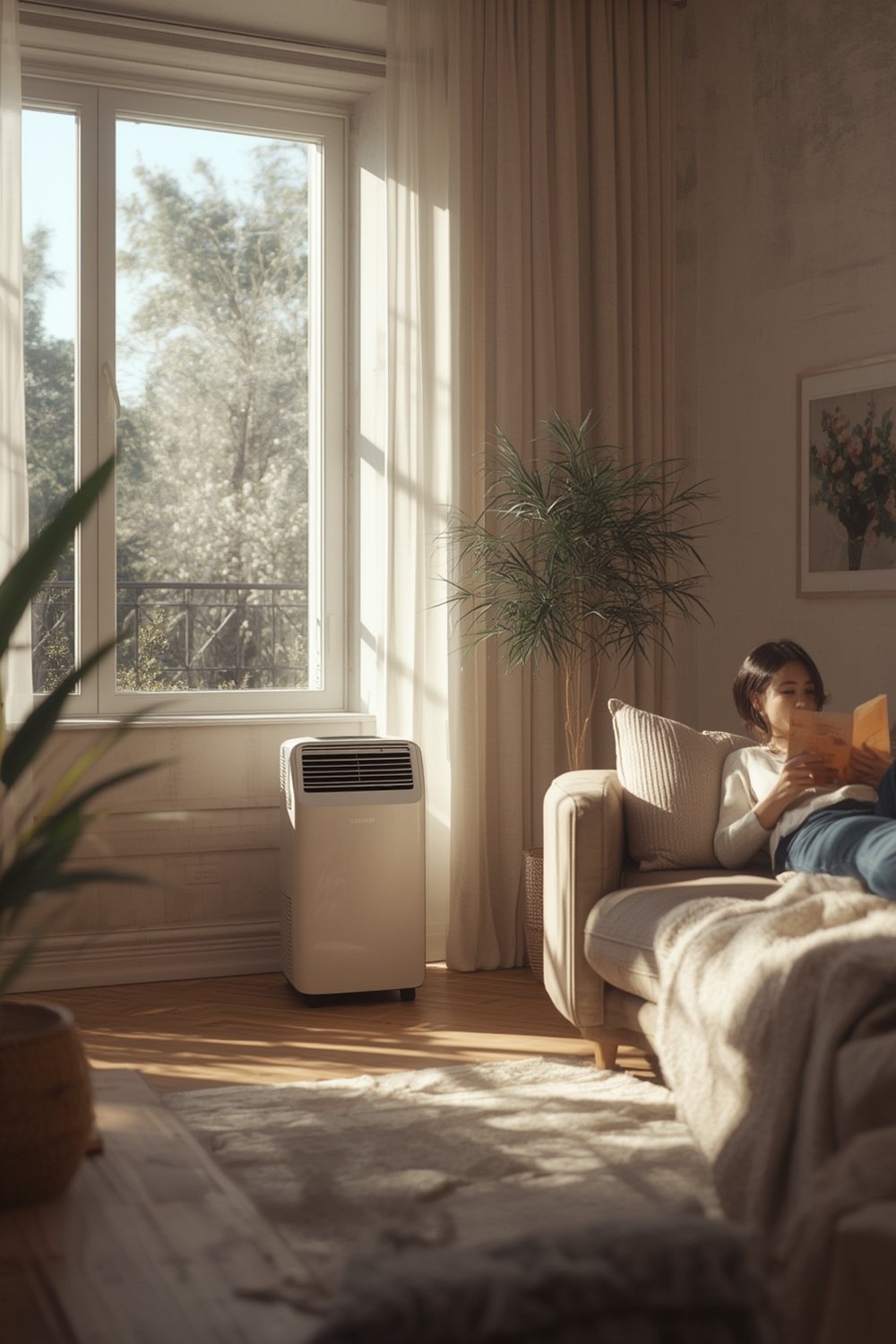
Technologies leading to lower operational noise include modern inverter compressors, dual hose-in-hose designs, and internal sound-dampening materials. Some competitors, like RIGID and Dreo, report decibel ratings as low as 42 dB, but again—these are self-reported data, not independently certified results. See the full research roundup for specifics.
Managing your home’s overall environment also impacts results. For example, addressing excess humidity can help your air conditioner feel more effective with less strain or noise—check out strategies for Control Humidity to further support a comfortable, quiet living space.
How to Choose and Optimize a Quiet Portable AC: Actionable Steps
The following steps will help you select and set up a quiet portable air conditioner for reliable, low-noise performance:
-
Match Your Room Size and Cooling Needs.
Choose a BTU rating suited to your space. Oversizing can waste energy and drive up fan speeds (and noise), while undersizing leads to strain and disruptive cycling sounds.
-
Check Manufacturer Noise Claims (but Stay Critical).
Look for listed decibel levels of 42–52 dB for quiet operation. Avoid options that do not specify noise levels, and remember these are manufacturer ratings—not independent test results. If you want to validate, consider watching hands-on review videos, but know even these often use the same data.
-
Prioritize Key Noise-Reduction Technologies.
- Inverter compressor for smoother, quieter operation
- Dual hose-in-hose or advanced airflow design
- Internal insulation and vibration dampening
- Variable speed fans
-
Optimize Placement in Your Room.
Keep the unit at least 10–15 inches from walls or furniture. Avoid placing directly on hardwood or tile; a soft mat can reduce vibration transfer. Ensuring correct vent hose installation also prevents droning sounds from air leaks.
-
Regular Maintenance.
Clean the filter every two weeks and check vent hoses for blockages. Clogged components force the machine to work harder, increasing both noise and energy use. For households with high dust or allergy concerns, combine with Air Quality solutions for optimal results.
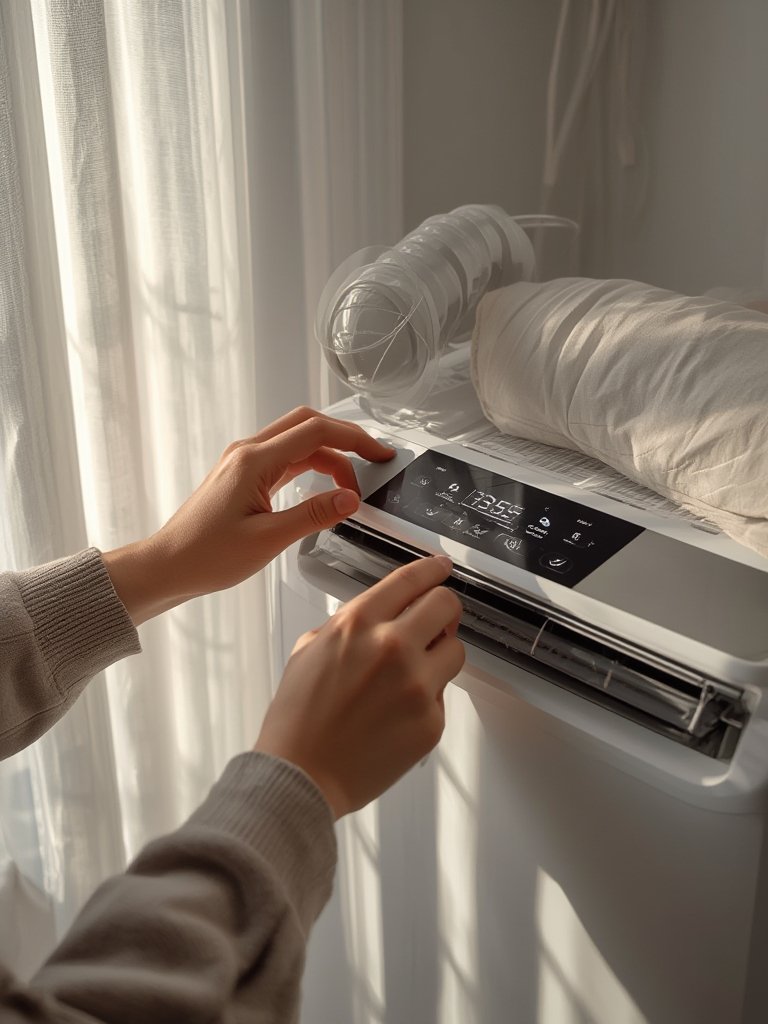
Remember, adding a smart thermostat—like a mini split smart home integration—allows for scheduling so your quiet AC only runs when truly needed, reducing cumulative noise exposure during critical hours.
If you’re upgrading your system, consider refrigerant compatibility, too. Environmentally friendly options like those compared on R32 vs R410A guides can future-proof your investment before EPA regulations kick in.
Advanced Analysis and Common Pitfalls
Even with the right purchase, users routinely encounter problems the top-ranked guides overlook. Here’s a realistic look—plus a direct comparison of quiet versus standard models based on 2024–2025 research:
| Feature | Quiet Models (2024–2025) | Standard Models |
|---|---|---|
| Advertised Decibel Range | 40–52 dB (avg 44 dB) | 56 dB (range: 33–69+ dB) |
| Lab-Certified Testing | None (manufacturer claims only) | None |
| Typical Price Premium | No reliable data published | — |
| Common Tech Features | Inverter compressor, dual hose, dampening panels | Single-speed, single hose, basic materials |
Common Pitfalls
- Assuming Manufacturer dB Claims Are Independently Verified: There are zero independent lab results for bedroom-targeted portable ACs as of 2024—every decibel figure is self-reported.
- Expecting Whisper-Quiet Performance without Installation Tweaks: Even the best units will sound louder if they vibrate on hard floors or if hoses leak air—room setup matters.
- Ineffective Price Comparisons: No published price data means you can’t truly judge if the cost premium for quiet operation is justified from a noise or comfort standpoint.
- Lack of Reliable Consumer Complaints Data: None of the major review platforms quantify what percentage of negative reviews cite noise or specify typical sound complaints.
- Omitting DIY Sound Solutions: Most brands focus on built-in noise-reduction but give little actionable advice for further quieting your unit after purchase.
If you want to read up on other common areas impacting indoor comfort, including best practices for Air Quality or humidity, those guides can support your efforts for a truly peaceful environment.
Conclusion & Next Steps
Finding a portable air conditioner quiet enough for sleep or work is possible—if you look past ratings and factor in tech features, installation, and maintenance. Manufacturer specs can help narrow choices, but be cautious about taking dB ratings at face value until more independent testing is available. Want cleaner, drier air with less noise? Pair your quiet AC with smart controls or proven tips from our humidity and air quality guides. Ready to make your next summer cooler and quieter? Start with the steps above and reclaim your calm.
Learn more about controlling humidity or get expert advice on improving air quality for a complete comfort plan.
FAQ
How quiet is a quiet portable air conditioner compared to a standard one?
Most quiet models operate between 40–52 dB, about as loud as a library or a soft conversation. Standard portable ACs generally average 56 dB, which is noticeably louder, especially at night or in silent rooms.
Are the noise levels stated by manufacturers reliable?
No portable AC on the market as of 2025 has certified independent lab testing for noise. All published decibel levels are from manufacturer tests—treat the numbers as estimates.
What are the best technologies for reducing AC noise?
Inverter compressor technology, dual hose-in-hose design, internal soundproofing, and efficient variable-speed fans are the most effective for lowering noise to below 55 dB. Still, their real impact depends on installation and brand quality.
What should I do if my portable AC is still loud after setup?
Add anti-vibration pads under the unit, place it on a carpeted area, check for any loose panels or hoses, and consider using weatherstripping around the exhaust kit to block vibrations and leaks.
Can I find data on how many users complain about noise?
No. Current review platforms and published research provide no reliable statistics on the percentage of AC complaints related specifically to noise, nor do they quantify the most common terms (like “rattling” or “humming”).