

air quality monitor PM2.5 VOC devices have shifted from niche gadgets to essential home health tools. If you want real-time visibility into invisible pollutants, boost long-term wellness, or track what really affects your indoor air, read on—clear air isn’t guesswork anymore, and tiny particles matter more than you think.
Key Takeaways
- air quality monitors for PM2.5 and VOCs offer real-time, actionable data but sensor accuracy and smart features vary across models
- high PM2.5 and VOC exposure impairs cognitive function and long-term health—staying below recommended thresholds is crucial for clarity and productivity
- common pitfalls: blind trust in monitor readings, ignoring calibration, and high running costs—know your device’s strengths and limitations
- Understanding air quality monitor PM2.5 VOC: What and Why
- Step-by-Step Guide: How to Use and Optimize Air Quality Monitors
- Advanced Analysis & Common Pitfalls
- Conclusion: Realistic Next Steps
- FAQ
Understanding air quality monitor PM2.5 VOC: What and Why
Air quality monitors designed for PM2.5 and VOC measurement detect microscopic particulates (PM2.5) and gaseous pollutants (Volatile Organic Compounds) found in most homes and offices. PM2.5—particles smaller than 2.5 micrometers—originate from cooking, combustion devices, wildfire smoke, and even outdoor air. These particles are small enough to enter the lungs, pass into the bloodstream, and have been proven to slow response times and decrease cognitive throughput (source).
VOCs are chemicals released from paint, cleaning products, furniture, and electronics. Though you may not smell or see them, long-term exposure raises risks of headaches, fatigue, and even cancer. Monitoring and controlling these pollutants matters not just for “freshness” but for daily comfort, productivity, and disease prevention.
Unlike older single-gas or dust monitors, multi-sensor air quality monitors now track PM2.5, VOCs, CO2 (as a ventilation proxy), temperature, and humidity—presenting a dashboard of your indoor health environment. But accuracy, alerts, and true usefulness depend on the monitor’s build—and your willingness to act on the readings.
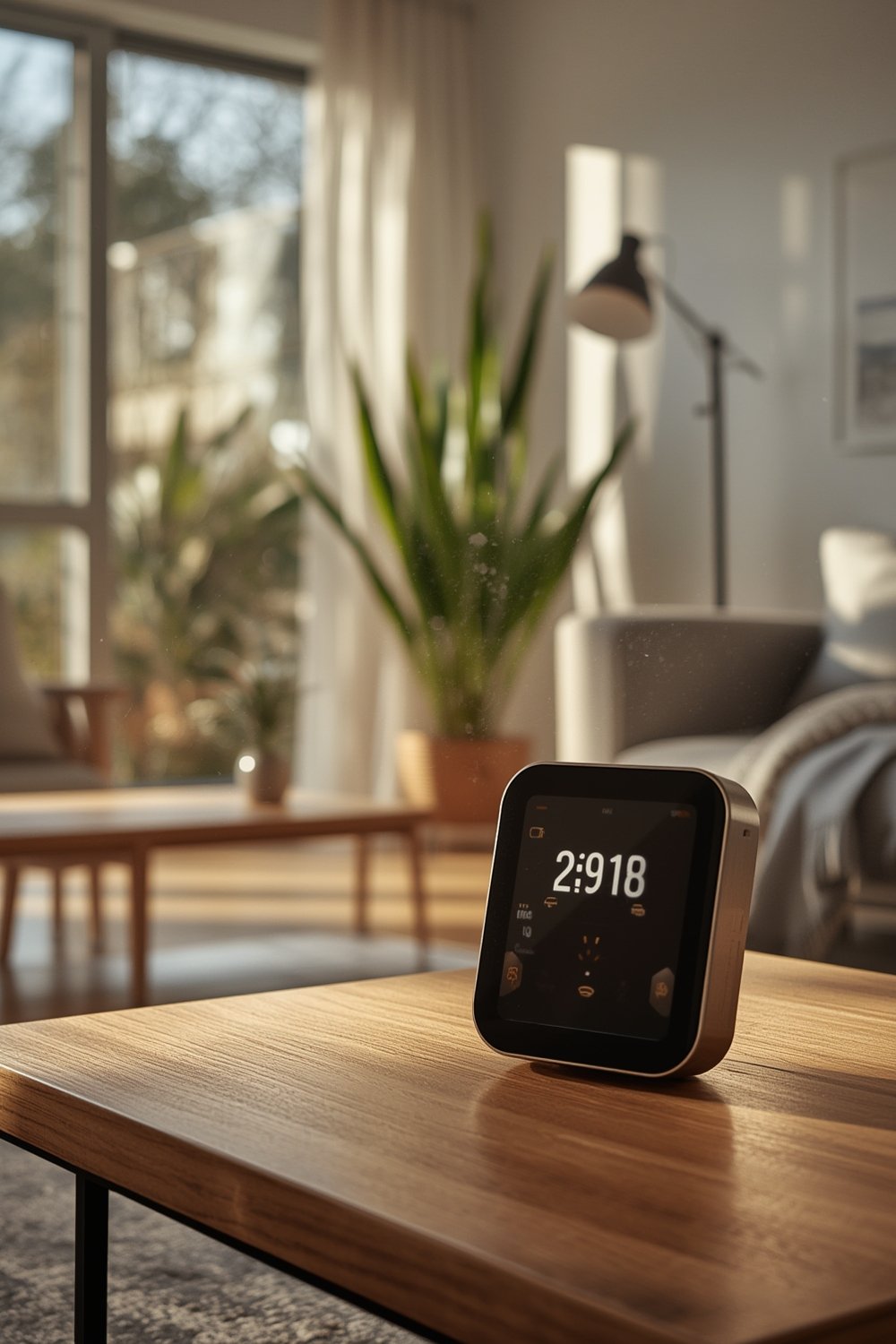
Why does this matter? Recent studies show that every 10 μg/m³ increase in PM2.5 can slow response time by up to 0.9% and reduce throughput by up to 1.7%. CO2, which monitors use as a ventilation effectiveness marker, also impairs performance—even at levels common in homes. (Harvard Chan School findings)
For a deeper look into humidity’s role, see Control Humidity & Boost Indoor Air Quality. For cleaning solutions, visit Improve Your Home’s Air Quality with the Right Cleaning and AC Solutions.
Step-by-Step Guide: How to Use and Optimize Air Quality Monitors
- Choose the Right Monitor
Prioritize monitors with laser-based PM2.5 sensors (for accuracy), dedicated VOC modules, clear real-time readings, and smart home integration. Check that calibration data or references are published. See how your device integrates with smart thermostat mini split controls or other smart home systems. - Strategic Placement
Place monitors at breathing height—on desks, nightstands, or next to major air sources. Avoid corners, direct sunlight, and vents that can skew results. For comprehensive insights, use more than one monitor in large areas. - Baseline Data Collection
Run your monitor for 48–72 hours to capture baseline air trends. Note PM2.5, VOC, and CO2 fluctuation with daily routines: cooking, cleaning, open/closed windows, or HVAC use. - Respond to Alarms and Readings
When PM2.5 or VOC levels spike, take practical steps: ventilate, stop pollutant sources, run a HEPA purifier (see HEPA air purifier smart home guide), or leave the area. Trust readings, but also check for measurement errors. - Actively Use Data for Habits and Home Upgrades
Habitually check trends: Do VOCs spike with certain products? Does PM2.5 linger after cooking or dusting? Use this intel for behavioral changes and future purchases (like better purifiers or upgraded HVAC). - Maintain and Calibrate Regularly
Replace sensors or filters as recommended. Recalibrate yearly as sensors drift over time.
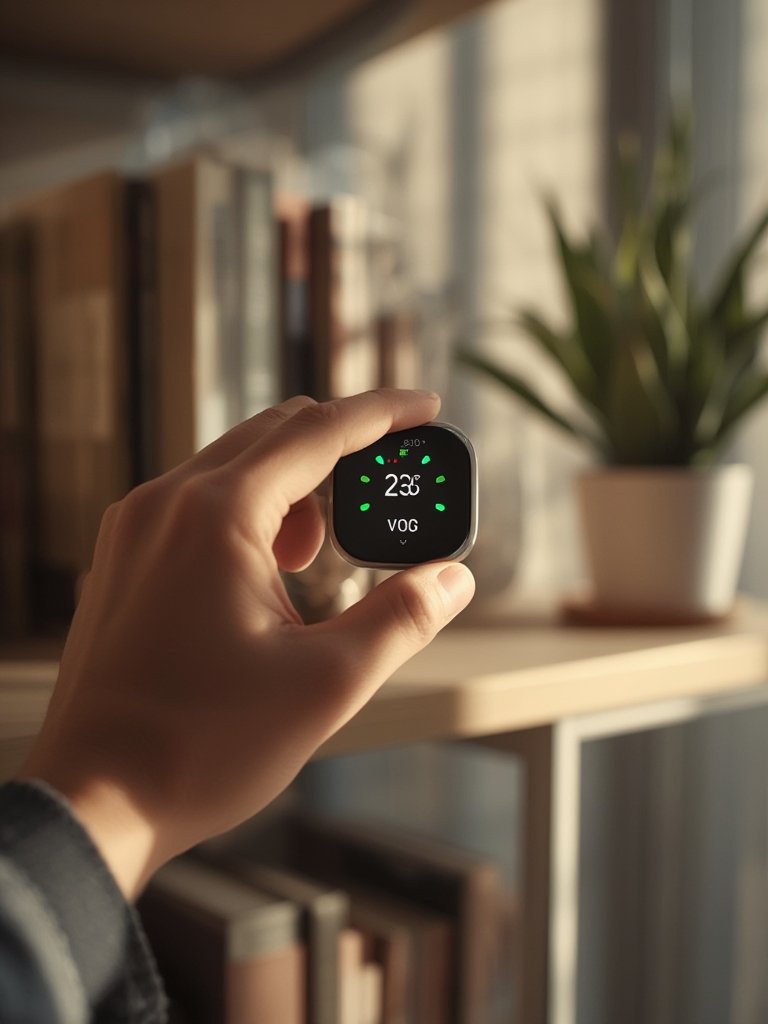
Many users don’t realize their expensive air purifiers are underperforming due to poorly located sensors. For smart solutions that adjust AC or portable air systems in real time, see how indoor CO2 monitors and integration-ready models work. For homes where noise is a concern, pairing your monitor data with a portable air conditioner quiet can avoid distraction while still boosting air quality.
Advanced Analysis & Common Pitfalls
Air quality monitor PM2.5 VOC devices deliver critical data, but not all models—and strategies—are equal. Here are key pitfalls and realistic pain points users report:
- False Sense of Security: Cheap monitors often lack accurate calibration or quality sensors. Some misread low PM2.5 during smoke events or underreport VOCs from heavy chemical cleaners.
- Ignorance of Data Actionability: Readings only help if you respond. Users ignore repeated high VOC alerts, assuming “it’s not bad if I don’t smell it.” Studies show even sub-threshold pollution impairs cognition (Harvard School).
- Sensor Drift and Lack of Calibration: Over 1–2 years, sensor response can degrade. Without scheduled calibration or validated firmware, long-term readings lose value.
- Blind Spots in Placement: Sensors near windows, behind furniture, or close to HVAC vents distort readings due to dead air zones or strong drafts.
- Hidden Costs: Sensor replacement every 12–24 months and, on some “smart” units, monthly subscriptions for data storage or advanced analytics. Not all advertise this upfront.
For additional sterilization approaches, read about UV-C air purifier sterilization, which tackles viruses and bacteria beyond what typical PM2.5 filters can address.
Not all monitors integrate seamlessly with your home—some require cloud accounts, constant WiFi, or lack the customizable alerts that offer true protection instead of just passive monitoring.
| Feature | Basic Air Monitor | Advanced Monitor (PM2.5 + VOC + Smart) |
|---|---|---|
| Accuracy | ±20–30% | ±5–10% (if calibrated) |
| Data Logging | On-device only, limited | Cloud/app integration, historical trends |
| Alerts/Automations | Manual monitoring | Custom push alerts, smart home triggers |
| Sensor Life/Replacement | 1–2 years, non-replaceable | 2–3 years, modular/swap sensors |
| Subscription Fees | None | $3–$8/month common |
| Smart Integration | None/basic Bluetooth | Alexa, Google Home, IFTTT, smart AC sync |
Market surveys in 2024 show user disappointment mainly around inaccurate or disconnected sensors, frequent errors after one year, and lack of real-time health-based alerts. Crowd reviews point out that the best value is found with brands open about sensor calibration and with clear app interfaces.
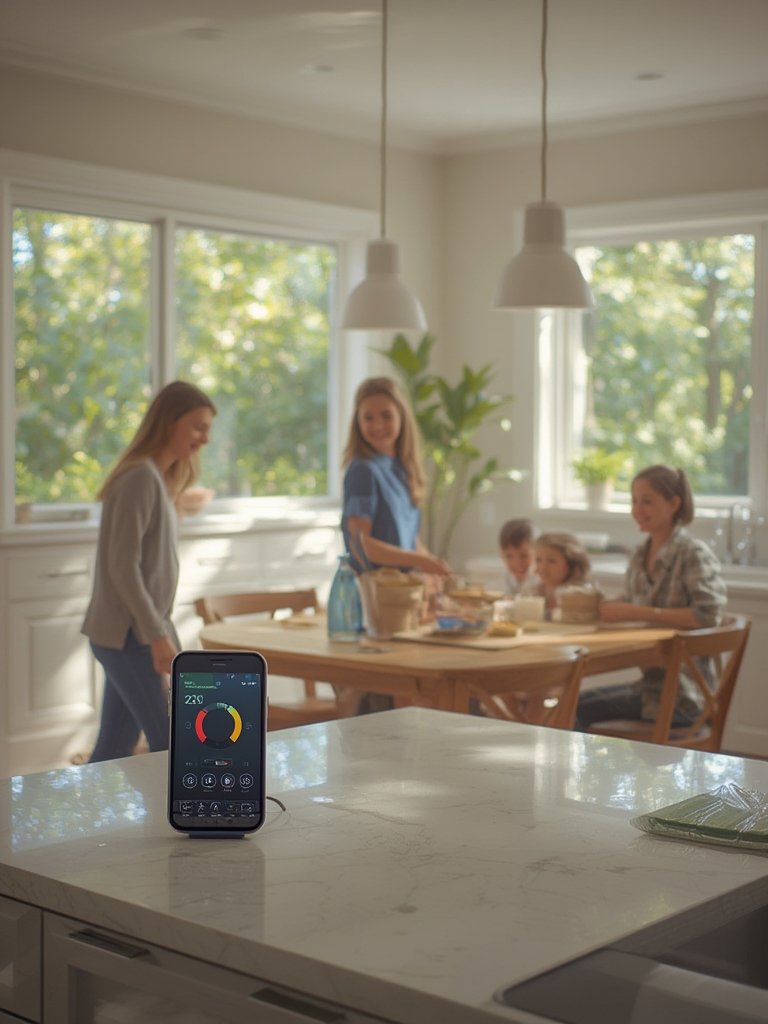
Certain monitors let you set routines so, if CO2 or PM2.5 rise, they’ll trigger HEPA air cleaning or ventilation, as covered in our HEPA air purifier smart home article.
Conclusion: Realistic Next Steps
The science is clear: poor indoor air, especially elevated PM2.5 and VOCs, can silently undermine your performance and long-term health. An air quality monitor PM2.5 VOC device offers actionable insight, but only when you select, install, and interact with it wisely. Compare sensor specs, look for real-world reviews, prioritize models with clear alerts and integrations, and be vigilant about maintenance costs and calibration. Ready to breathe easier and think clearer? Make your first air quality change today—your mind and body will thank you.
For more tips on tackling humidity or improving cleaning protocol, explore Control Humidity & Boost Indoor Air Quality and Improve Your Home’s Air Quality with the Right Cleaning and AC Solutions now.
FAQ
What is the difference between PM2.5 and VOC?
PM2.5 refers to ultrafine dust or combustion particles under 2.5 micrometers that can cause respiratory and cardiovascular health problems. VOCs are gases emitted from household products like paints and cleaners, linked to headaches and longer-term health impacts.
How often should I calibrate my air quality monitor?
Most manufacturers recommend calibration or sensor checks once a year, but consult your product manual for specific guidelines. Some monitors prompt automatic recalibration, while budget models may not allow for this.
Are VOC sensors in consumer air quality monitors reliable?
VOCs are challenging to measure accurately in affordable monitors. Results should be used as relative (not absolute) indicators—rising VOC readings mean something is off, but may not identify the exact compound or concentration.
Do I need a smart air quality monitor with app control?
If you want real-time alerts, trends, remote access, and smart home integration (to control HVAC or purifiers automatically), yes. If you just want spot checks, a basic model might suffice.
What are safe indoor levels for PM2.5 and CO2?
Most experts recommend keeping PM2.5 below 12 μg/m³ and CO2 below 800 ppm. For CO2, this is primarily a ventilation proxy, but higher levels are associated with reduced cognitive performance (see recent data).