

Indoor CO2 monitor portable devices are becoming essential gadgets for anyone concerned about air quality and wellbeing at home, work, or on the move. Recent research shows that monitoring indoor CO2 levels is not just about comfort — it can directly impact your mental performance and may offer clues about air circulation in your space. This guide covers the key facts, latest science, and practical advice for using and choosing the right indoor CO2 monitor portable device.
Key Takeaways
- High indoor CO2 levels can subtly impair cognitive performance, making monitoring useful for homes and workplaces.
- Portable CO2 monitors vary in features and accuracy. Not all meet professional standards, so selecting the right model is crucial.
- Regular calibration and proper use are important to ensure ongoing reliability and accurate indoor air quality readings.
- Understanding Portable Indoor CO2 Monitoring
- How to Use an Indoor CO2 Monitor Portable Device: Actionable Steps
- Advanced Analysis & Common Pitfalls
- Conclusion & Next Steps
- FAQ
Understanding Portable Indoor CO2 Monitoring
Portable indoor CO2 monitors are compact devices designed to detect and display carbon dioxide levels in real time, wherever you need them. Elevated CO2 is one of the clearest early warnings of poor room ventilation. Recent studies from NIOSH in 2024 found that most homes have CO2 below 640ppm. Still, even moderate increases can slightly impair tasks involving attention and creative thinking (source, source). No substantial connection has been shown between higher CO2 and COVID-19 transmission, but high CO2 can suggest a lack of fresh air which increases all risk factors for airborne pathogens.
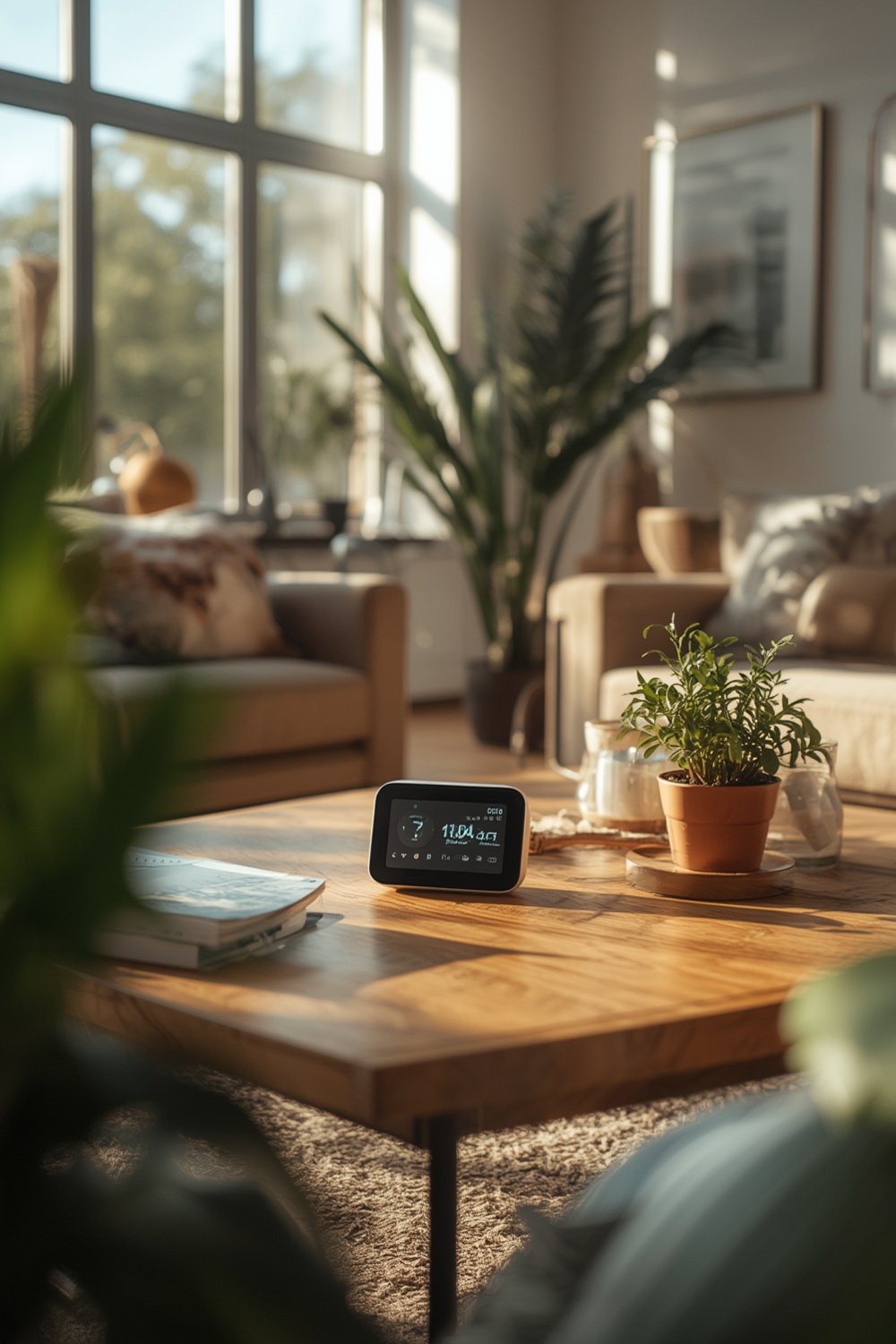
Why use a portable CO2 monitors? Unlike bulky fixed sensors, these models can move from room to room or travel with you to classrooms, hotels, and offices. Smart models feature wireless connectivity, app integrations, and long battery life, making it easier than ever to monitor and optimize indoor environments for health and productivity.
The science is clear: regular exposure to high CO2 levels does not cause immediate health effects, but can leave you feeling sluggish or mentally foggy. By actively monitoring CO2, you gain the data needed to ventilate smarter, work better, and safeguard respiratory wellness. Learn how this technology helps in combination with other strategies like humidity control and air quality improvements for a holistic indoor environment.
How to Use an Indoor CO2 Monitor Portable Device: Actionable Steps
- Choose the right CO2 monitor for your needs. Consider accuracy (look for ±50ppm or better), battery life, display readability, data logging, and smartphone compatibility. Not all portable devices meet professional or medical standards.
- Set up in a central spot. To get an accurate reading of occupant-breathing zones, place your CO2 monitor at table height—away from windows, doors, kitchen stoves, and direct vents. Avoid direct sunlight.
- Establish a baseline. For best results, leave your monitor outdoors for 5-10 minutes before first use. Outdoor CO2 is typically 400-420ppm. If your device reads much higher or lower, it may need calibration.
- Monitor regularly, not just once. Take readings throughout the day in high-use areas, especially if there are multiple people indoors or if you feel drowsy or headachy.
- Interpret the numbers. Anything above 1000ppm suggests it’s time to open windows on opposite sides to create cross-ventilation. Position a small fan to direct airflow out the window for rapid exchange.
- Document and act. Some monitors provide logs you can download. Use this data to track air quality trends and take targeted actions like upgrading your AC system to efficient models or using HEPA air purifiers for holistic management.
- Calibrate and maintain. Even the best sensors drift over time. Calibrate your device according to the manual—usually by leaving it outdoors or using fresh-air resets every few months.
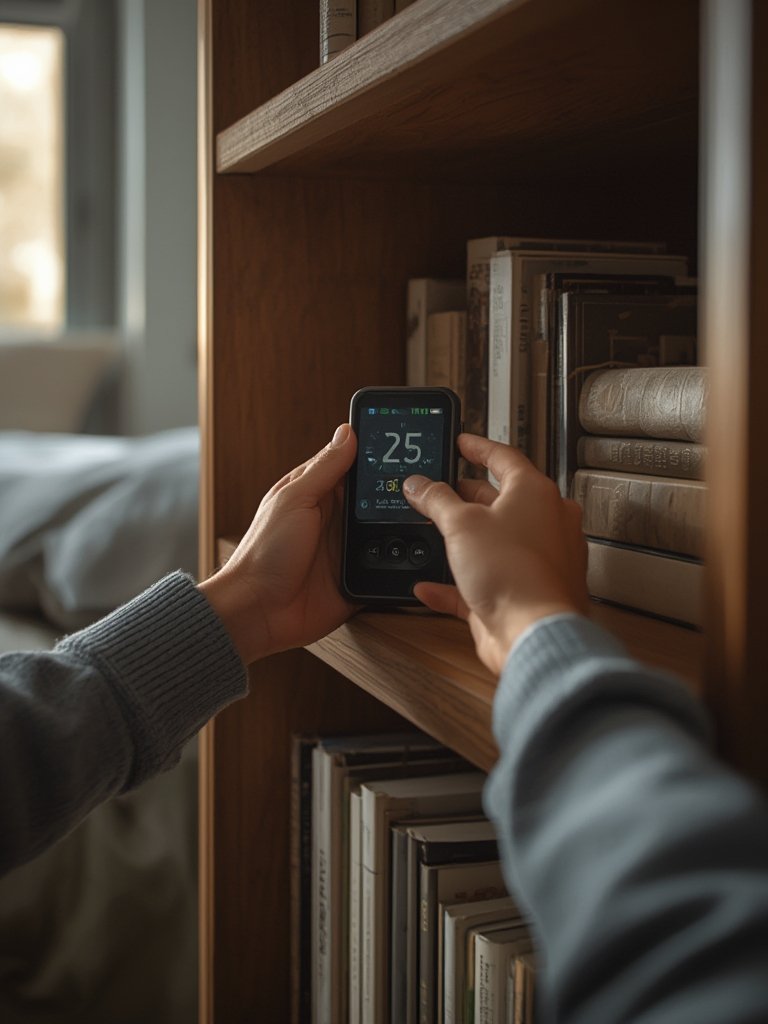
Want to integrate with your smart home? Some premium models can send alerts to your phone or smart speaker — perfect for pairing with smart thermostat-controlled mini splits or Wi-Fi-enabled HVAC systems for automated ventilation responses.
For work-from-home, creative tasks, or allergy management, combine CO2 tracking with smart HEPA air purification or consider a whisper-quiet portable AC unit to minimize distractions while keeping your air fresh and healthy.
Advanced Analysis & Common Pitfalls
The portable CO2 monitor market is diverse, and not all products are created equal. Here’s what the latest research and real-world testing reveal:
- Accuracy Varies Widely: Few portable models achieve professional-grade accuracy (often ±30ppm). Some drift up to ±150ppm or more. Only a handful offer NDIR sensors, the gold standard for CO2 detection.
- Calibration is Often Neglected: Many users never recalibrate their units, leading to “silent drift”—readings become unreliable over months.
- Batteries and Connectivity: Budget monitors may have short battery life or lack reliable app integration. Frequent charging or data loss can frustrate users—choose units with USB-C or replaceable batteries and tested app stability.
- No Universal Standards: Surprisingly, no global certification or baseline technical requirement exists for consumer portable CO2 monitors as of 2025. Watch out for vague “CE” or “professional” claims without real third-party backing.
| Feature | Home Portable CO2 Monitor | Professional-Grade CO2 Sensor |
|---|---|---|
| Accuracy | ±50-150ppm | ±30ppm, regularly calibrated |
| Calibration | Manual or none; often neglected | Routine, required per protocol |
| Smart features | Bluetooth, some with Wi-Fi/apps | Advanced cloud, constant logging |
| Intended use | Home, travel, classrooms | Labs, hospitals, regulatory audits |
| Price | $80–$300 (typically) | $500+ |
Common Pitfalls:
- Leaving monitors in bright sunlight or near vents distorts readings.
- Forgetting to recalibrate after firmware updates or battery changes.
- Assuming high CO2 alone signals disease risk: while high levels show poor ventilation, only viral/particle sensors can confirm bioaerosol hazards (NIOSH/CDC study).
- Misunderstanding “good” readings: creative or critical work benefits from lower (sub-700ppm) CO2 even if 1000ppm is still considered “safe.” Thermal comfort also matters—if the room is too hot or cold, cognitive effects compound (see research).
- Lack of consistent standards: Terms like “professional” or “medical” are often unregulated in this space. Demand proof before trusting health claims.
Conclusion & Next Steps
Portable indoor CO2 monitors give you needed visibility into otherwise invisible air quality risks—especially as more of us work, study, and relax indoors. The right indoor CO2 monitor portable device helps keep your mind sharp, ensures healthy ventilation, and can be combined with other smart air quality solutions for best-in-class home management. Remember: even the best device needs periodic calibration and smart placement.
Ready to upgrade your environment? Compare features, focus on accuracy, and use the actionable steps above to get the most from your indoor CO2 monitor portable. Pair this technology with humidity control, filtration, and smart ventilation for truly healthy space. Start breathing smarter today.
FAQ
Do indoor CO2 monitor portable devices detect COVID-19 or viruses?
No. CO2 monitors only track carbon dioxide as a ventilation proxy. While high CO2 indicates poor airflow (which can increase virus risk), these monitors do not detect viruses or guarantee safety from pathogens. See CDC research for more.
How often should I calibrate my portable CO2 monitor?
For best accuracy, calibrate every 2–3 months, or after any firmware updates or battery replacements. Some models offer auto-calibration; others require manual resets using outdoor air.
Are all portable CO2 monitors equally reliable?
No. Home-grade devices usually have wider tolerances and drift more over time than professional units. Models with NDIR sensors are most accurate for consumer use. Always check product reviews and calibration instructions.
What is a safe CO2 level indoors?
Under 800ppm is very good; up to 1000ppm is generally acceptable. Levels above 1200ppm suggest you should ventilate immediately. For optimal cognitive performance and fresh air feeling, keep levels as low as practical.
What maintenance is required for portable CO2 monitors?
Keep units dust-free, calibrate regularly as recommended, avoid drops and prolonged direct sunlight. Replace the batteries or charge as needed, and check for firmware updates to maintain accuracy.