

UV-C air purifier sterilization is emerging as a leading solution for reducing airborne pathogens in homes and businesses, but real-world data and user experiences reveal important limitations and practical challenges. This guide cuts through hype and confusion, offering direct, actionable advice to help you decide if UV-C is right for your air quality needs.
Key Takeaways
- UV-C air purifiers can reduce viruses and bacteria, but lack precise efficacy data for 2023-2024 and may not remove dust or pollen effectively.
- Main user pain points include ozone production, high processing costs, and doubts about all-around air cleaning capability.
- Advanced in-duct systems dominate commercial settings; energy-efficient models are popular for homes, but actual costs and maintenance needs often go underreported.
- How UV-C Air Purifier Sterilization Works
- How to Implement UV-C Air Purifier Sterilization: Step-by-Step Guide
- Advanced Analysis & Common Pitfalls
- Conclusion
- Frequently Asked Questions
How UV-C Air Purifier Sterilization Works
UV-C air purifiers use short-wave ultraviolet light (specifically UV-C) to inactivate airborne viruses, bacteria, and mold spores as air passes through a sterilization chamber. These systems are increasingly integrated into HVAC ducts, portable purifiers, and commercial air systems. The main goal: reduce the transmission of disease indoors by disrupting the genetic material of pathogens.
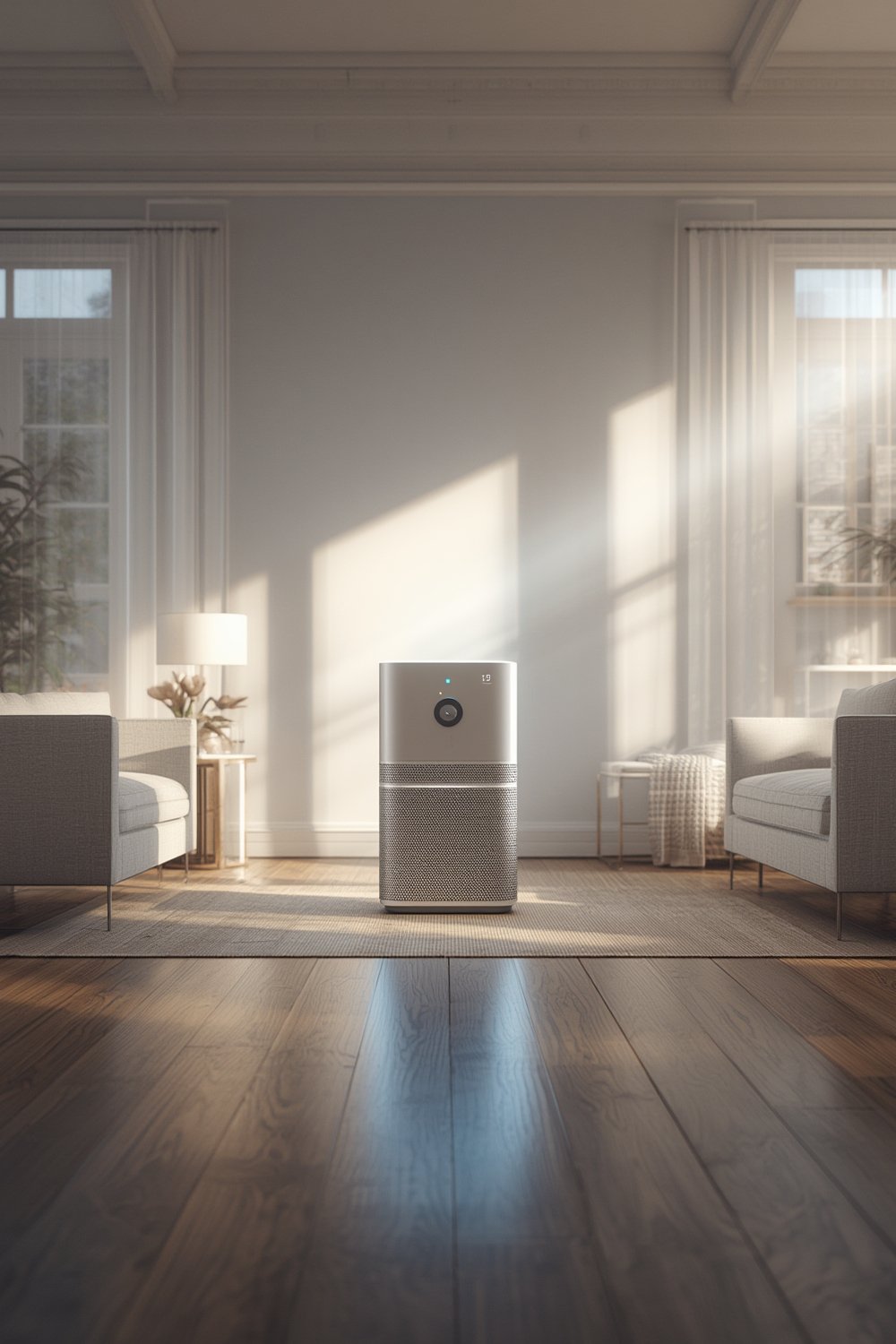
While UV-C has a long history of medical disinfection, today’s commercially available air purifiers mainly promise to filter out bacteria and viruses in real time. The technology is generally adopted in schools, hospitals, restaurants, hotels, and increasingly in residential HVAC systems, especially as health awareness rises. Regulatory measures—like the new U.S. Department of Energy standards for air cleaners—are pushing for higher efficiency and safety.
Despite the promise, many UV-C air purifiers struggle with particulate pollutants. If your main air quality concern is pollen or dust, traditional HEPA-based air purifiers may perform better. UV-C systems offer a targeted approach, so understanding the “what” and “why” behind this technology is crucial for making an educated purchase.
How to Implement UV-C Air Purifier Sterilization: Step-by-Step Guide
Successfully setting up UV-C air purification—whether in a home, office, or classroom—takes careful planning. The following steps outline the key decisions and installation actions for maximum effectiveness and safety.
- Assess Your Air Quality Needs: Identify if your main concerns are viruses, bacteria, allergens, or dust. UV-C is optimal for pathogen control, not fine particulates.
- Choose the Right UV-C System: Decide between in-duct (for central HVAC), portable systems (for rooms), or hybrid units. For small apartments, less than 70W energy-efficient models suffice; for large spaces, HVAC-integrated units are more effective.
- Confirm Ozone-Free Operation: Check certifications for ozone emissions (CARB, UL 2998) and confirm the UV-C system has been independently tested for safety. Some UV-C systems may generate ozone, which is a regulated indoor pollutant.
- Professional Installation for Ducted Systems: Schedule professional installation for in-duct UV-C. Verify correct bulb placement and shielded design to avoid UV light leaks.
- Schedule Regular Maintenance: UV lamps degrade over time. Plan to change bulbs every 9-12 months even if the light is still on; performance drops before visible failure. Clean pre-filters often, especially if the unit is near heavy dust or pet hair.
- Monitor Air Quality and System Performance: Use an indoor air quality monitor to measure improvements and check for potential ozone generation (or elevated VOCs). For advanced monitoring, combine with a portable CO2 monitor to track system impact on safe ventilation.
- Optimize for Smart Home Integration: If desired, choose units with WiFi or app controls. This is especially useful for large homes, offices, or facilities that already leverage automation. Explore smart air purifier options for deeper insights and real-time management.
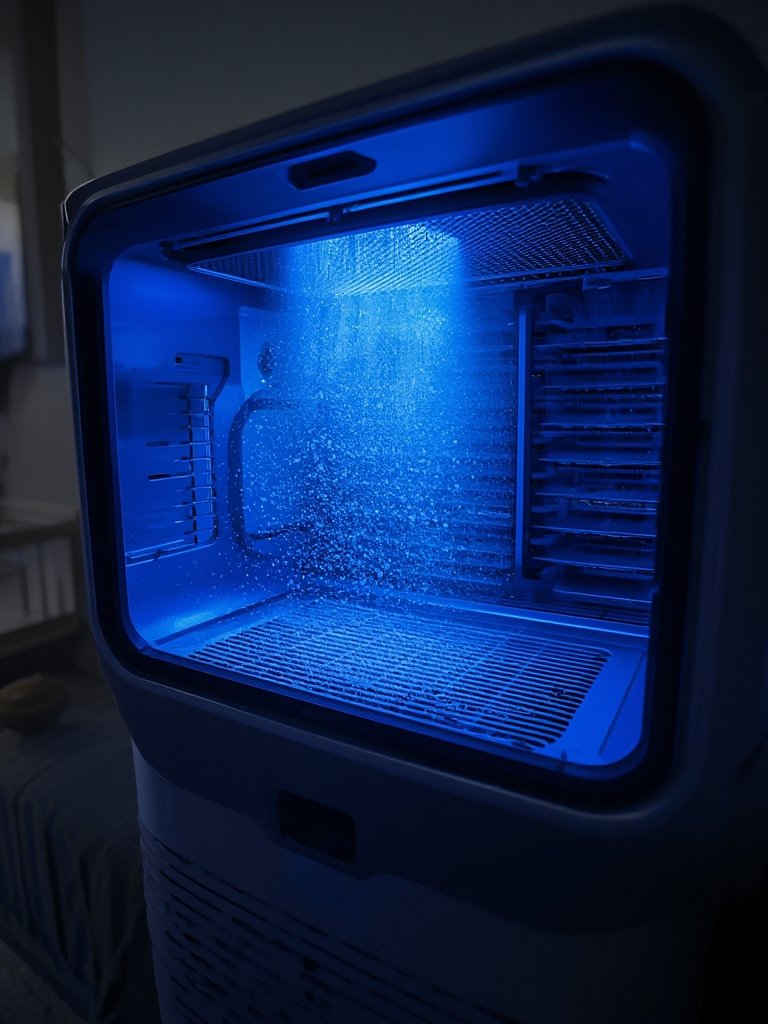
Don’t forget to compare your UV-C options to alternative purification methods. Additional filtration with HEPA or activated carbon is essential for capturing particles and chemical pollutants, complementing the germicidal properties of UV-C systems.
Finally, track cost of ownership: Regularly replacing UV bulbs and maintaining equipment adds ongoing expense. In-duct systems require HVAC technician visits, while portable units often need only basic filter and bulb changes.
Advanced Analysis & Common Pitfalls
While UV-C air purifier sterilization has clear strengths, especially for pathogen control in air ducts, real-world use exposes a range of drawbacks. Before investing, understand these pitfalls to avoid wasted money or unwanted side-effects.
- Lack of Quantitative Efficacy Data: Despite strong manufacturer claims, there is no up-to-date independent data from 2023-2024 showing precisely how much airborne virus or bacteria reduction occurs in typical homes or offices. Most sources rely on general evidence from older studies.
- Ozone Production Risk: Some UV-C systems generate ozone—a recognized respiratory irritant. Always verify if your unit is certified as ozone-free (UL 2998 or CARB compliant), and monitor for any symptoms, especially among children or allergy sufferers.
- Limited Particle Filtration: UV-C purifiers often have poor performance removing pollen, smoke, and dust compared to HEPA-based solutions. If allergies or asthma are concerns, UV-C alone is rarely sufficient.
- High Operating and Maintenance Costs: Regular bulb replacements, increased electricity usage for larger spaces, and the need for professional installation all add cost. Users often underestimate ongoing expense.
- Regulatory Changes & Standards: The U.S. DOE’s 2023 conservation standards now regulate performance and test protocols for air cleaners. Stay up to date, especially if planning commercial installations or upgrades.
- Unclear User Reviews, especially regarding Noise and Maintenance: There are few independent or aggregated reviews detailing real-life experiences around operational noise or maintenance issues. Expect some trial and error when matching units to your preferences.
| Category | Businesses (Commercial) | Homeowners (Residential) |
|---|---|---|
| Market Share / Trends | 58.3% revenue (2023); in-duct dominant for offices, schools, hotels, restaurants [source] | 6.1% CAGR; rising demand for HVAC integration [source] |
| Typical Cost Drivers | High processing; regulatory compliance; premium for large-scale integration [source] | Energy-efficient <70W units preferred; lower upfront costs for portable units [source] |
| Actual Cost Breakdown | Not specifically quantified (varies with building size, system complexity) | Not specifically quantified (basic portable units vs. integrated HVAC upgrades) |
| Primary Pain Points | High cost, retrofit complexity, regulatory audits | Efficacy doubts, limited pollutant removal, maintenance uncertainty |
When comparing to other technologies, such as HEPA filters, ionizers, or emerging photocatalytic systems, UV-C stands apart for targeted germ control. However, it falls short for general dust or pollen reduction, and ozone concerns make it less appealing for those with respiratory sensitivities.
If silence is a priority, portable quiet air conditioners and low-noise HEPA purifiers may better suit your needs, given that UV-C systems often do not optimize for noise output.
Conclusion
UV-C air purifier sterilization brings unique advantages to airborne pathogen control, particularly in commercial or high-traffic indoor spaces. Yet, for homes seeking comprehensive air cleaning, pairing UV-C with HEPA or carbon filtration yields better real-world results. Be conscious of ozone risks, recurring maintenance costs, and the fact that published 2023-2024 efficacy metrics for UV-C on pathogens in everyday use remain scarce.
Ready to take charge of your indoor air? Assess your goals and consider if UV-C air purifier sterilization is the right fit for your space—or if a layered approach with traditional and smart filtration is a smarter choice. Compare features, validate certifications, and don’t compromise on air quality or safety.
Explore other strategies for cleaner air with our resources on air quality and humidity control, or learn about the future of HVAC with environmentally friendly refrigerants.
Frequently Asked Questions
How effective are UV-C air purifiers against viruses and bacteria in real homes or offices?
Current research points to general effectiveness, but recent (2023-2024) studies do not report exact kill rates or log reductions in everyday conditions. Commercial installations dominate due to regulatory compliance, but results will depend on system design and maintenance.
Do UV-C air purifiers remove dust, pollen, or smoke?
No, UV-C air purifiers mainly target microbes like viruses and bacteria. They are generally poor at filtering dust, pollen, and fine smoke particles. Use a HEPA filter system or combined purifier for broader coverage.
Is ozone production a danger with UV-C air purifiers?
Some UV-C systems can generate ozone, which is harmful to respiratory health. Always look for certifications like UL 2998 or CARB. Monitor your air quality and choose verified ozone-free units where possible.
What are the key maintenance tasks for UV-C air purifiers?
Change UV bulbs every 9-12 months, replace or clean pre-filters regularly, and schedule annual professional checkups for in-duct installations. Neglecting maintenance reduces germicidal effectiveness.
How do UV-C systems compare to HEPA and smart air purifiers?
UV-C excels at killing microbes, while HEPA filters trap particulates like dust and pollen. Smart air purifiers often combine multiple technologies and provide enhanced monitoring and controls for real-time management.